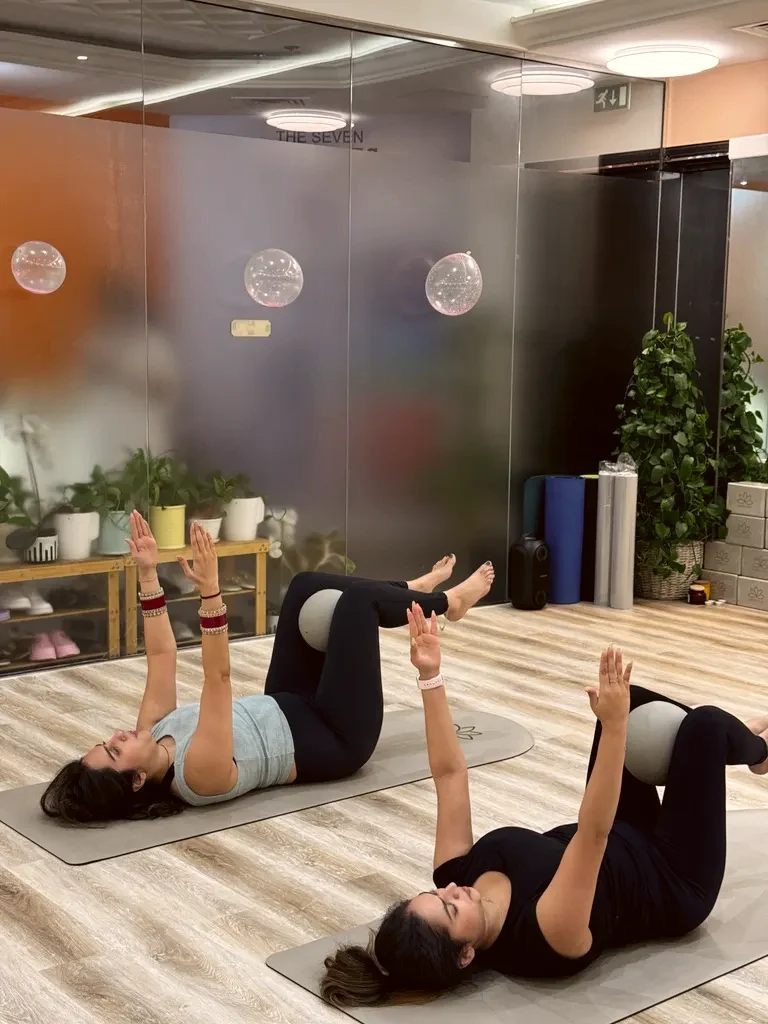
Two women doing a mat Pilates routine at White Lotus studio in Abu Shagara, Sharjah

Exercise · At Home

How much exercise do you need? A simple weekly plan

What the WHO recommends, how Pilates and yoga fit in, and two weekly plans you can actually keep, with a 4-week tracker.

Most of us know we should move more, but it is hard to know how much is enough, or how to fit it around work, family and the Sharjah heat. This guide explains what the World Health Organization recommends, how Reformer, Mat Pilates and yoga fit in, and gives you two sample weekly plans. At the end there is a 4-week tracker so you can see your progress.

How much movement adults need

The World Health Organization's 2020 guidelines recommend that adults do:

  • 150 to 300 minutes of moderate aerobic activity a week, such as brisk walking, swimming or cycling at a steady pace, or
  • 75 to 150 minutes of vigorous aerobic activity a week, such as running or a fast, sweaty class, or a mix of the two.
  • Muscle-strengthening activities on 2 or more days a week that work all the major muscle groups.

The guidelines also say that any activity is better than none, and that we should try to sit less. If 150 minutes sounds like a lot, it works out at around 30 minutes on 5 days, and short bouts add up.

What counts as moderate and vigorous?

A simple test is the talk test. During moderate activity you are breathing harder but can still talk in full sentences. During vigorous activity you can only say a few words before you need a breath.

Where Pilates and yoga fit in

Pilates and most yoga count mainly as muscle-strengthening and balance work, which is the part many people miss. They build the deep core muscles, improve posture and keep you flexible. They are a great partner to walking or other aerobic activity, rather than a full replacement for it.

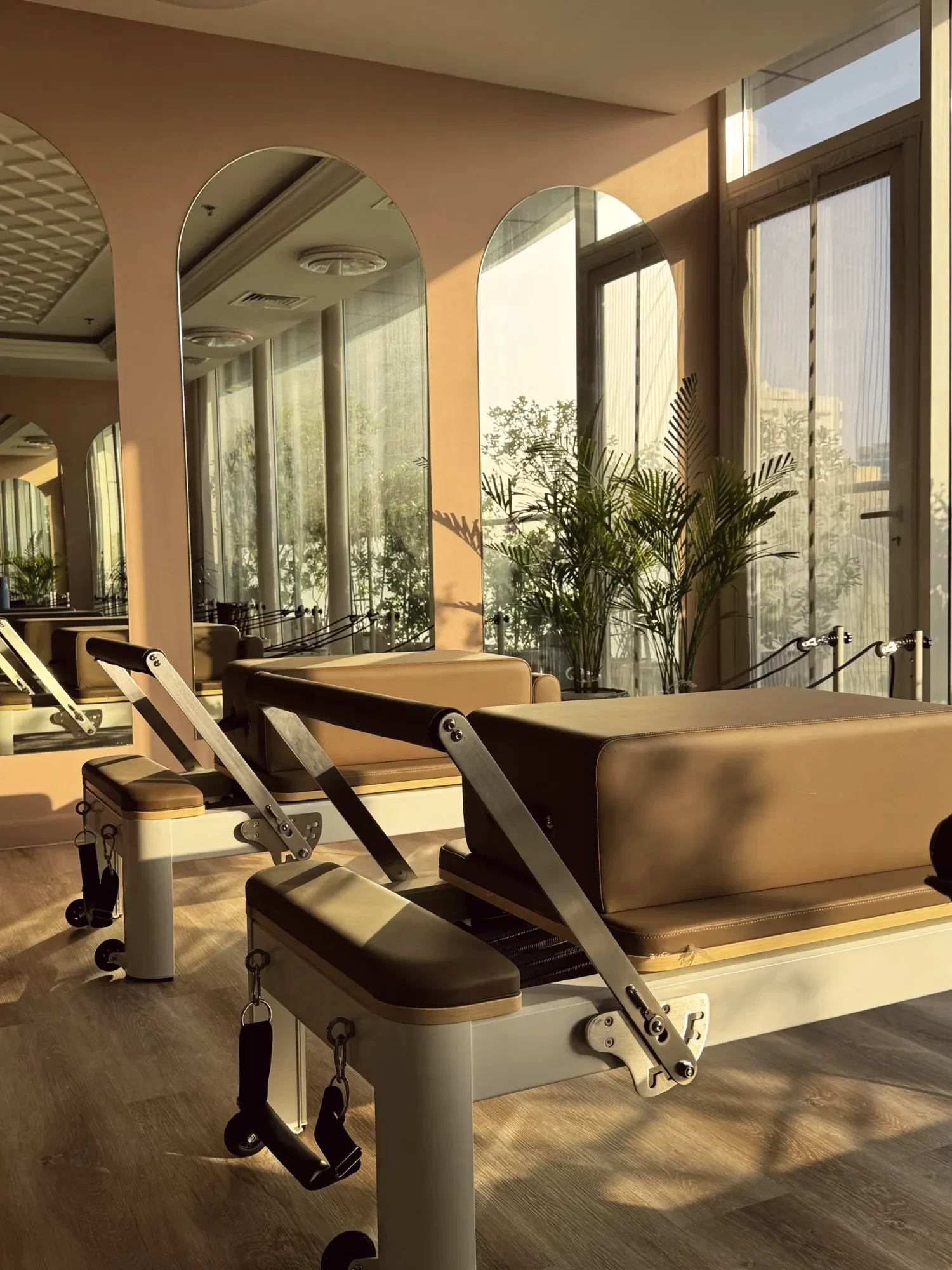
  • Reformer (50 minutes): strength against spring resistance, with support. Good for posture, back care and toning.
  • Mat Pilates (50 minutes): bodyweight core and posture work. A strong foundation and easy to keep up at home.
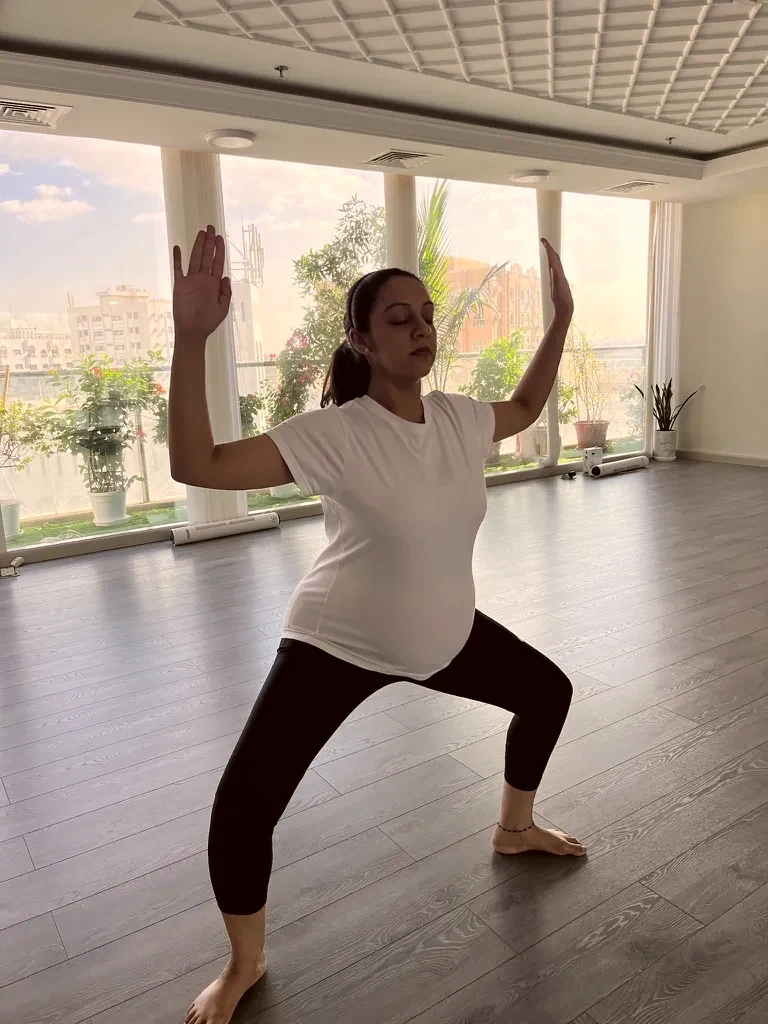
  • Yoga (60 minutes): strength, balance and flexibility, plus breathing and relaxation. A slower practice that also helps you unwind.

Joseph Pilates wrote in Return to Life Through Contrology (1945) that regular, mindful practice was more important than long workouts. That idea still holds: consistency matters most.

Moving safely in the UAE heat

  • Walk early in the morning or after sunset, or use a mall, gym or indoor track in summer.
  • Drink water before, during and after activity.
  • Wear light, breathable clothes.
  • Stop if you feel dizzy, sick, confused or have a headache, and get somewhere cool.

Sample plan 1: complete beginner

This plan builds the habit gently over a week. Increase walking time a little each week.

  • Monday: 20-minute brisk walk
  • Tuesday: Reformer or Mat Pilates class
  • Wednesday: 20-minute walk
  • Thursday: Rest, or 10 minutes of gentle stretching
  • Friday: Yoga class
  • Saturday: 30-minute walk with family or friends
  • Sunday: Rest

That is around 70 minutes of walking plus two strength-and-balance classes. Over the following weeks, build up to 150 minutes of walking.

Sample plan 2: the busy mum

When time is short, split activity into small pieces and make the most of the classes you can get to.

  • Most days: two 10-minute brisk walks, for example during the school run and after dinner.
  • Twice a week: one 50-minute Reformer or Mat Pilates class.
  • Once a week: a yoga class, or 15 minutes of stretching at home.
  • Any day: play actively with your children, take the stairs, and stand up every hour when you are sitting a lot.

If you have recently had a baby, please wait until your doctor has cleared you, then start with our postnatal guide.

A 10-minute Mat Pilates routine for home

Do this on a mat or carpet. Move slowly, breathe steadily and stop if anything hurts.

  1. Breathing (1 minute): lie on your back with knees bent. Breathe into your ribs, then breathe out and gently draw your tummy in.
  2. Pelvic tilts (1 minute): breathe out as you gently flatten your lower back to the floor, breathe in to release.
  3. Bridge (2 minutes): breathe out and lift your hips one bone at a time, then lower slowly. Repeat 8 times.
  4. Dead bug, easy version (2 minutes): lift both knees to a tabletop. Slowly lower one foot to tap the floor, then the other, keeping your back still.
  5. Side-lying leg lifts (2 minutes): lie on your side and lift and lower your top leg 10 times on each side.
  6. Cat and cow (1 minute): on hands and knees, gently round and arch your spine with your breath.
  7. Child's pose (1 minute): sit back towards your heels and rest your forehead down.

Worksheet

My movement goals

How many minutes of moderate activity do I do now in a typical week?

My goal for the next 4 weeks:

Which days can I fit in a class or a walk?

What usually stops me, and what will I do about it?

Tracker

4-week progress tracker

WeekWalking / aerobic minutesStrength classesEnergy (1–5)Sleep (1–5)Notes
Week 1
Week 2
Week 3
Week 4

Common questions

Does Pilates count as exercise?

Yes. It counts mainly as muscle-strengthening and balance work. Pair it with walking or other aerobic activity to meet the full WHO guidelines.

How many classes a week should I do?

Two or three classes a week is a good place to start, alongside regular walking. Leave a rest day between harder sessions at first.

I only have 10 minutes. Is it worth it?

Yes. The WHO guidelines say any activity is better than none, and short bouts add up over the week.

Will Pilates help me lose weight?

Pilates builds strength and posture. Weight change depends on many things, including food, sleep and overall activity, so we focus on how you feel and move.

This guide is general information, not medical advice. If you have a health condition, are pregnant or have recently given birth, please check with your doctor before starting a new practice.

Ready when you are

The Starter Pack gives you 4 classes in 10 days for AED 249, so you can try the Reformer, Mat Pilates and yoga before you choose a plan.

Further reading & sources

  1. World Health Organization (2020). WHO Guidelines on Physical Activity and Sedentary Behaviour.
  2. Pilates, J.H. & Miller, W.J. (1945). Return to Life Through Contrology.
  3. Iyengar, B.K.S. Light on Yoga.
Back to all guides

Reading is good. Practising is better.

Bin Ojan Tower-6, HC Floor, Abu Shagara, Sharjah · Mon–Sat, 07:30–12:30 & 17:00–20:30

How Much Exercise Do You Need? | White Lotus Sharjah
Two women doing a mat Pilates routine at White Lotus studio in Abu Shagara, Sharjah

Exercise · At Home

How much exercise do you need? A simple weekly plan

What the WHO recommends, how Pilates and yoga fit in, and two weekly plans you can actually keep, with a 4-week tracker.

Most of us know we should move more, but it is hard to know how much is enough, or how to fit it around work, family and the Sharjah heat. This guide explains what the World Health Organization recommends, how Reformer, Mat Pilates and yoga fit in, and gives you two sample weekly plans. At the end there is a 4-week tracker so you can see your progress.

How much movement adults need

The World Health Organization's 2020 guidelines recommend that adults do:

  • 150 to 300 minutes of moderate aerobic activity a week, such as brisk walking, swimming or cycling at a steady pace, or
  • 75 to 150 minutes of vigorous aerobic activity a week, such as running or a fast, sweaty class, or a mix of the two.
  • Muscle-strengthening activities on 2 or more days a week that work all the major muscle groups.

The guidelines also say that any activity is better than none, and that we should try to sit less. If 150 minutes sounds like a lot, it works out at around 30 minutes on 5 days, and short bouts add up.

What counts as moderate and vigorous?

A simple test is the talk test. During moderate activity you are breathing harder but can still talk in full sentences. During vigorous activity you can only say a few words before you need a breath.

Where Pilates and yoga fit in

Pilates and most yoga count mainly as muscle-strengthening and balance work, which is the part many people miss. They build the deep core muscles, improve posture and keep you flexible. They are a great partner to walking or other aerobic activity, rather than a full replacement for it.

  • Reformer (50 minutes): strength against spring resistance, with support. Good for posture, back care and toning.
  • Mat Pilates (50 minutes): bodyweight core and posture work. A strong foundation and easy to keep up at home.
  • Yoga (60 minutes): strength, balance and flexibility, plus breathing and relaxation. A slower practice that also helps you unwind.

Joseph Pilates wrote in Return to Life Through Contrology (1945) that regular, mindful practice was more important than long workouts. That idea still holds: consistency matters most.

Moving safely in the UAE heat

  • Walk early in the morning or after sunset, or use a mall, gym or indoor track in summer.
  • Drink water before, during and after activity.
  • Wear light, breathable clothes.
  • Stop if you feel dizzy, sick, confused or have a headache, and get somewhere cool.

Sample plan 1: complete beginner

This plan builds the habit gently over a week. Increase walking time a little each week.

  • Monday: 20-minute brisk walk
  • Tuesday: Reformer or Mat Pilates class
  • Wednesday: 20-minute walk
  • Thursday: Rest, or 10 minutes of gentle stretching
  • Friday: Yoga class
  • Saturday: 30-minute walk with family or friends
  • Sunday: Rest

That is around 70 minutes of walking plus two strength-and-balance classes. Over the following weeks, build up to 150 minutes of walking.

Sample plan 2: the busy mum

When time is short, split activity into small pieces and make the most of the classes you can get to.

  • Most days: two 10-minute brisk walks, for example during the school run and after dinner.
  • Twice a week: one 50-minute Reformer or Mat Pilates class.
  • Once a week: a yoga class, or 15 minutes of stretching at home.
  • Any day: play actively with your children, take the stairs, and stand up every hour when you are sitting a lot.

If you have recently had a baby, please wait until your doctor has cleared you, then start with our postnatal guide.

A 10-minute Mat Pilates routine for home

Do this on a mat or carpet. Move slowly, breathe steadily and stop if anything hurts.

  1. Breathing (1 minute): lie on your back with knees bent. Breathe into your ribs, then breathe out and gently draw your tummy in.
  2. Pelvic tilts (1 minute): breathe out as you gently flatten your lower back to the floor, breathe in to release.
  3. Bridge (2 minutes): breathe out and lift your hips one bone at a time, then lower slowly. Repeat 8 times.
  4. Dead bug, easy version (2 minutes): lift both knees to a tabletop. Slowly lower one foot to tap the floor, then the other, keeping your back still.
  5. Side-lying leg lifts (2 minutes): lie on your side and lift and lower your top leg 10 times on each side.
  6. Cat and cow (1 minute): on hands and knees, gently round and arch your spine with your breath.
  7. Child's pose (1 minute): sit back towards your heels and rest your forehead down.

Worksheet

My movement goals

How many minutes of moderate activity do I do now in a typical week?

My goal for the next 4 weeks:

Which days can I fit in a class or a walk?

What usually stops me, and what will I do about it?

Tracker

4-week progress tracker

WeekWalking / aerobic minutesStrength classesEnergy (1–5)Sleep (1–5)Notes
Week 1
Week 2
Week 3
Week 4

Common questions

Does Pilates count as exercise?

Yes. It counts mainly as muscle-strengthening and balance work. Pair it with walking or other aerobic activity to meet the full WHO guidelines.

How many classes a week should I do?

Two or three classes a week is a good place to start, alongside regular walking. Leave a rest day between harder sessions at first.

I only have 10 minutes. Is it worth it?

Yes. The WHO guidelines say any activity is better than none, and short bouts add up over the week.

Will Pilates help me lose weight?

Pilates builds strength and posture. Weight change depends on many things, including food, sleep and overall activity, so we focus on how you feel and move.

This guide is general information, not medical advice. If you have a health condition, are pregnant or have recently given birth, please check with your doctor before starting a new practice.

Ready when you are

The Starter Pack gives you 4 classes in 10 days for AED 249, so you can try the Reformer, Mat Pilates and yoga before you choose a plan.

Further reading & sources

  1. World Health Organization (2020). WHO Guidelines on Physical Activity and Sedentary Behaviour.
  2. Pilates, J.H. & Miller, W.J. (1945). Return to Life Through Contrology.
  3. Iyengar, B.K.S. Light on Yoga.
Back to all guides

Reading is good. Practising is better.

Bin Ojan Tower-6, HC Floor, Abu Shagara, Sharjah · Mon–Sat, 07:30–12:30 & 17:00–20:30

Book a Session