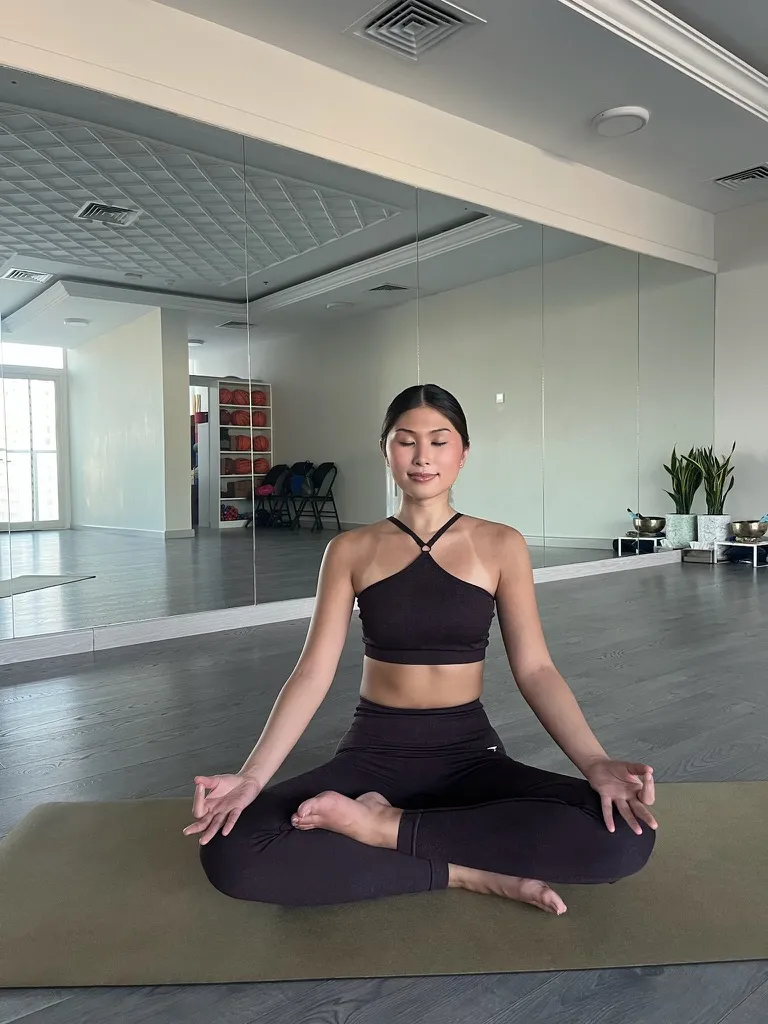
Seated meditation for a calmer mind at White Lotus studio in Abu Shagara, Sharjah

Mental Health · Journaling

Journaling for a calmer mind: 30 prompts and a 7-day workbook

Why writing things down may help, how to begin, and a week of guided pages to fill in.

Journaling simply means writing down your thoughts and feelings. It costs nothing, needs only a pen and a notebook, and takes as little as ten minutes. This guide explains what research suggests about expressive writing, how to start, and gives you 30 prompts and a 7-day workbook. Journaling can be a helpful habit, but it is not a substitute for therapy or medical care. If you are struggling with your mental health, please speak to your doctor or a qualified counsellor.

Why writing may help

Much of the research on this comes from the psychologist James Pennebaker. In an early study, Pennebaker and Beall (1986) asked students to write about a difficult experience for 15 minutes on four days in a row. Compared with students who wrote about everyday topics, those who wrote about their deepest thoughts and feelings made fewer visits to the health centre in the months that followed, even though many felt more upset straight after writing.

In a later review in Psychological Science, Pennebaker (1997) described how this kind of expressive writing has been linked with benefits to mood and wellbeing in a range of studies. He suggested that putting an experience into words may help us organise it and make sense of it. Results vary from person to person, and later research has found the effects are often modest, so think of journaling as one helpful tool rather than a cure.

How to start

  1. Choose your notebook. Paper works well because it keeps you away from your phone, but notes on your phone are fine too.
  2. Pick a time. Many women like early morning before the house wakes up, or the last ten minutes before bed.
  3. Set a timer for 10 to 15 minutes. Knowing there is an end makes it easier to begin.
  4. Write without stopping. Don't worry about spelling, grammar or making sense. Nobody else will read it.
  5. Choose a prompt, or just begin with "Right now I feel…".
  6. Notice how you feel afterwards. Strong feelings can come up. That is normal. If writing about something leaves you very distressed, stop and switch to a lighter prompt, or talk to someone you trust.

Three simple methods

  • Free writing: write whatever comes into your head for ten minutes.
  • Expressive writing: write about something that is bothering you, exploring both what happened and how you feel about it.
  • Gratitude lists: write three things you are thankful for each day.

Pairing journaling with yoga and breathwork

Patanjali's Yoga Sutras describe yoga as the stilling of the movements of the mind (1.2). Journaling can be a gentle way to get there. Try this short routine at home or after class:

  1. Sit comfortably and breathe slowly for two minutes, making your out-breath a little longer than your in-breath.
  2. Do a few gentle stretches for your neck, shoulders and back.
  3. Write for ten minutes using one of the prompts below.
  4. Finish with one minute of quiet breathing, and notice any change in how you feel.

30 prompts to get you writing

Getting to know yourself

  1. What does a good day look like for me?
  2. What am I proud of that nobody else knows about?
  3. Which three words describe me best right now?
  4. When do I feel most like myself?
  5. What do I need more of this month?

Gratitude

  1. Three small things that went well today.
  2. Who made my week easier, and how?
  3. A place that makes me feel calm.
  4. Something my body did for me today.
  5. A memory that always makes me smile.

Feelings and stress

  1. What is on my mind right now, without editing?
  2. What am I worried about, and what part of it can I control?
  3. When did I last feel overwhelmed, and what helped?
  4. What would I say to a friend feeling the way I feel today?
  5. What am I holding on to that I could let go of?

Body and practice

  1. How does my body feel before and after class?
  2. Where do I hold tension, and what helps it soften?
  3. What did I notice about my breathing today?
  4. Which movement felt good, and which felt hard?
  5. What does rest mean to me?

Relationships

  1. Who do I feel safe with, and why?
  2. A conversation I would like to have.
  3. How do I show love, and how do I like to receive it?
  4. Where do I need clearer boundaries?
  5. Someone I would like to thank.

Looking ahead

  1. One small goal for this week.
  2. What would I try if I knew I could not fail?
  3. What habit would make next month easier?
  4. Where would I like to be in a year?
  5. A letter to myself, to read in six months.

Workbook

Your 7-day journal

Print these pages or copy them into a notebook. Choose one prompt a day, write for 10 to 15 minutes, and rate your mood before and after.

Day 1: date ____ · prompt ____ · mood before (1–5) ____ after ____

Day 2: date ____ · prompt ____ · mood before (1–5) ____ after ____

Day 3: date ____ · prompt ____ · mood before (1–5) ____ after ____

Day 4: date ____ · prompt ____ · mood before (1–5) ____ after ____

Day 5: date ____ · prompt ____ · mood before (1–5) ____ after ____

Day 6: date ____ · prompt ____ · mood before (1–5) ____ after ____

Day 7: date ____ · prompt ____ · mood before (1–5) ____ after ____

Reflection

At the end of the week

What did I notice about my mood across the week?

Which prompt helped most?

Will I keep going, and when will I write?

Common questions

Do I have to write every day?

No. Three or four times a week is plenty. What matters is that it feels helpful, not like another chore.

What if writing makes me feel worse?

It is common to feel a little low straight after writing about something difficult. If you feel very distressed, stop, choose a lighter prompt, and talk to someone you trust or a professional.

Can journaling replace therapy?

No. Journaling can support your wellbeing, but it is not a substitute for therapy or medical care.

Should I keep my journal private?

Yes, if you can. Knowing nobody else will read it helps you write honestly.

This guide is general information, not medical advice. If you have a health condition, are pregnant or have recently given birth, please check with your doctor before starting a new practice.

Ready when you are

Pair your journal with a steady yoga and breathwork practice. The Starter Pack gives you 4 classes in 10 days for AED 249.

Further reading & sources

  1. Pennebaker, J.W. & Beall, S.K. (1986). Confronting a traumatic event: Toward an understanding of inhibition and disease. Journal of Abnormal Psychology, 95(3), 274–281.
  2. Pennebaker, J.W. (1997). Writing about emotional experiences as a therapeutic process. Psychological Science, 8(3), 162–166.
  3. Patanjali, Yoga Sutras, 1.2.
  4. Desikachar, T.K.V. The Heart of Yoga.

Back to all guides

Reading is good. Practising is better.

Bin Ojan Tower-6, HC Floor, Abu Shagara, Sharjah · Mon–Sat, 07:30–12:30 & 17:00–20:30

Journaling for a Calmer Mind: 30 Prompts | White Lotus
Seated meditation for a calmer mind at White Lotus studio in Abu Shagara, Sharjah

Mental Health · Journaling

Journaling for a calmer mind: 30 prompts and a 7-day workbook

Why writing things down may help, how to begin, and a week of guided pages to fill in.

Journaling simply means writing down your thoughts and feelings. It costs nothing, needs only a pen and a notebook, and takes as little as ten minutes. This guide explains what research suggests about expressive writing, how to start, and gives you 30 prompts and a 7-day workbook. Journaling can be a helpful habit, but it is not a substitute for therapy or medical care. If you are struggling with your mental health, please speak to your doctor or a qualified counsellor.

Why writing may help

Much of the research on this comes from the psychologist James Pennebaker. In an early study, Pennebaker and Beall (1986) asked students to write about a difficult experience for 15 minutes on four days in a row. Compared with students who wrote about everyday topics, those who wrote about their deepest thoughts and feelings made fewer visits to the health centre in the months that followed, even though many felt more upset straight after writing.

In a later review in Psychological Science, Pennebaker (1997) described how this kind of expressive writing has been linked with benefits to mood and wellbeing in a range of studies. He suggested that putting an experience into words may help us organise it and make sense of it. Results vary from person to person, and later research has found the effects are often modest, so think of journaling as one helpful tool rather than a cure.

How to start

  1. Choose your notebook. Paper works well because it keeps you away from your phone, but notes on your phone are fine too.
  2. Pick a time. Many women like early morning before the house wakes up, or the last ten minutes before bed.
  3. Set a timer for 10 to 15 minutes. Knowing there is an end makes it easier to begin.
  4. Write without stopping. Don't worry about spelling, grammar or making sense. Nobody else will read it.
  5. Choose a prompt, or just begin with "Right now I feel…".
  6. Notice how you feel afterwards. Strong feelings can come up. That is normal. If writing about something leaves you very distressed, stop and switch to a lighter prompt, or talk to someone you trust.

Three simple methods

  • Free writing: write whatever comes into your head for ten minutes.
  • Expressive writing: write about something that is bothering you, exploring both what happened and how you feel about it.
  • Gratitude lists: write three things you are thankful for each day.

Pairing journaling with yoga and breathwork

Patanjali's Yoga Sutras describe yoga as the stilling of the movements of the mind (1.2). Journaling can be a gentle way to get there. Try this short routine at home or after class:

  1. Sit comfortably and breathe slowly for two minutes, making your out-breath a little longer than your in-breath.
  2. Do a few gentle stretches for your neck, shoulders and back.
  3. Write for ten minutes using one of the prompts below.
  4. Finish with one minute of quiet breathing, and notice any change in how you feel.

30 prompts to get you writing

Getting to know yourself

  1. What does a good day look like for me?
  2. What am I proud of that nobody else knows about?
  3. Which three words describe me best right now?
  4. When do I feel most like myself?
  5. What do I need more of this month?

Gratitude

  1. Three small things that went well today.
  2. Who made my week easier, and how?
  3. A place that makes me feel calm.
  4. Something my body did for me today.
  5. A memory that always makes me smile.

Feelings and stress

  1. What is on my mind right now, without editing?
  2. What am I worried about, and what part of it can I control?
  3. When did I last feel overwhelmed, and what helped?
  4. What would I say to a friend feeling the way I feel today?
  5. What am I holding on to that I could let go of?

Body and practice

  1. How does my body feel before and after class?
  2. Where do I hold tension, and what helps it soften?
  3. What did I notice about my breathing today?
  4. Which movement felt good, and which felt hard?
  5. What does rest mean to me?

Relationships

  1. Who do I feel safe with, and why?
  2. A conversation I would like to have.
  3. How do I show love, and how do I like to receive it?
  4. Where do I need clearer boundaries?
  5. Someone I would like to thank.

Looking ahead

  1. One small goal for this week.
  2. What would I try if I knew I could not fail?
  3. What habit would make next month easier?
  4. Where would I like to be in a year?
  5. A letter to myself, to read in six months.

Workbook

Your 7-day journal

Print these pages or copy them into a notebook. Choose one prompt a day, write for 10 to 15 minutes, and rate your mood before and after.

Day 1: date ____ · prompt ____ · mood before (1–5) ____ after ____

Day 2: date ____ · prompt ____ · mood before (1–5) ____ after ____

Day 3: date ____ · prompt ____ · mood before (1–5) ____ after ____

Day 4: date ____ · prompt ____ · mood before (1–5) ____ after ____

Day 5: date ____ · prompt ____ · mood before (1–5) ____ after ____

Day 6: date ____ · prompt ____ · mood before (1–5) ____ after ____

Day 7: date ____ · prompt ____ · mood before (1–5) ____ after ____

Reflection

At the end of the week

What did I notice about my mood across the week?

Which prompt helped most?

Will I keep going, and when will I write?

Common questions

Do I have to write every day?

No. Three or four times a week is plenty. What matters is that it feels helpful, not like another chore.

What if writing makes me feel worse?

It is common to feel a little low straight after writing about something difficult. If you feel very distressed, stop, choose a lighter prompt, and talk to someone you trust or a professional.

Can journaling replace therapy?

No. Journaling can support your wellbeing, but it is not a substitute for therapy or medical care.

Should I keep my journal private?

Yes, if you can. Knowing nobody else will read it helps you write honestly.

This guide is general information, not medical advice. If you have a health condition, are pregnant or have recently given birth, please check with your doctor before starting a new practice.

Ready when you are

Pair your journal with a steady yoga and breathwork practice. The Starter Pack gives you 4 classes in 10 days for AED 249.

Further reading & sources

  1. Pennebaker, J.W. & Beall, S.K. (1986). Confronting a traumatic event: Toward an understanding of inhibition and disease. Journal of Abnormal Psychology, 95(3), 274–281.
  2. Pennebaker, J.W. (1997). Writing about emotional experiences as a therapeutic process. Psychological Science, 8(3), 162–166.
  3. Patanjali, Yoga Sutras, 1.2.
  4. Desikachar, T.K.V. The Heart of Yoga.
Back to all guides

Reading is good. Practising is better.

Bin Ojan Tower-6, HC Floor, Abu Shagara, Sharjah · Mon–Sat, 07:30–12:30 & 17:00–20:30

Book a Session